THE HEALTHY LIVING JOURNAL
Build a week of movement you will want to repeat
Make room for activity without making your schedule revolve around exercise.

General educational information · Sources listed below
Begin with a realistic starting point
An exercise plan is more useful when it fits your current life. Notice the places where movement could belong: a walk after lunch, a short activity break between tasks, or time outdoors on a weekend. Choose one opportunity that feels manageable.
CDC guidance for adults includes at least 150 minutes of moderate-intensity aerobic activity each week and muscle-strengthening activity on two or more days. Activity can be spread across the week, and some movement is better than none. [1]
Mix movement with strength
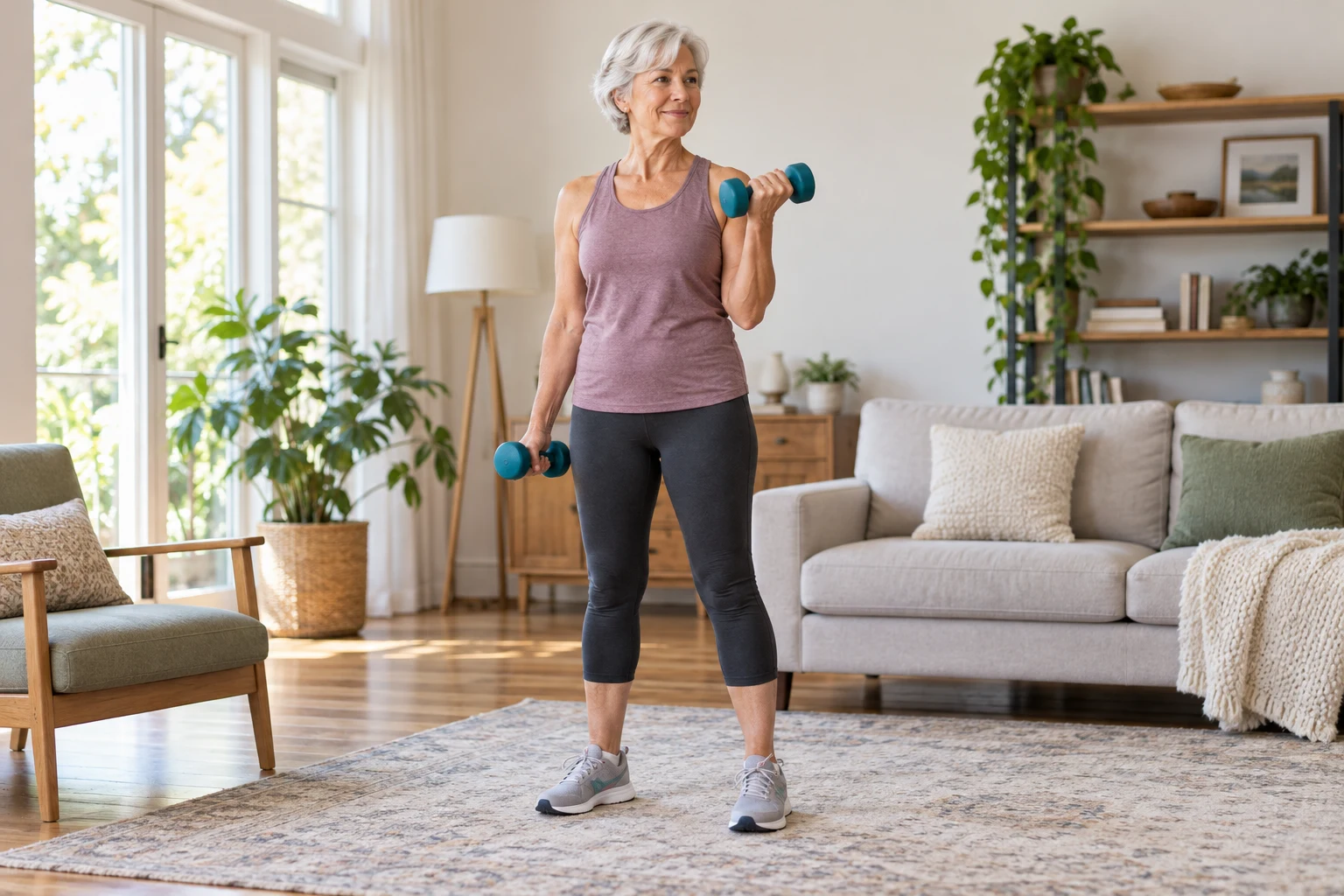
Aerobic movement and strength work serve different parts of a routine. Walking, cycling or dancing may suit one person, while another prefers a group class. Strength activity can include resistance bands, weights or appropriate body-weight exercises. [2]
Think about what you enjoy and what equipment or space you can access. A simple written plan might name the activity, when you will do it and where it will happen. Begin at a level that is suitable for you rather than trying to copy somebody else’s routine.
Make the next session easier
Prepare the small things that tend to get in the way. Set out comfortable clothing, choose a route or decide on an indoor alternative for poor weather. Keep a brief note of what you did so you can adjust your plan using your own experience.
Moderate intensity raises your breathing and heart rate; the right starting point varies between people. If you have a chronic condition, injury or concerns about exercising, ask a healthcare professional about appropriate activities. Stop and seek help for concerning symptoms rather than trying to push through them. [2]
Explore the sources
Prepared with AI assistance for True Healthy Products LLC. Sources inform this educational guide; their inclusion does not imply endorsement of our company or products. See our editorial approach.