THE HEALTHY LIVING JOURNAL
Contains vs. May Contain: Reading Food Allergen Labels
Learn how ingredient lists and voluntary allergen warnings differ, and build a practical label-checking routine.
General educational information · Sources listed below
Two statements that answer different questions
Buying groceries for someone with a food allergy can turn a quick shopping trip into a careful reading exercise. The front of a package may look familiar while the useful details sit in small print on the back. Two phrases deserve particular attention: Contains and May contain. They have different roles, and neither replaces a complete look at the package.
This guide concerns packaged foods sold in the United States. It is a way to organize label reading, not a way to diagnose an allergy or decide how much of an allergen someone can tolerate. For someone already managing a food allergy, keep shopping decisions consistent with the plan discussed with their allergy clinician.
Read ingredients before relying on a summary
The FDA explains that major food allergens used as ingredients must be identified on covered food labels. Their food source may already be clear in an ingredient name, appear in parentheses, or be identified in a nearby Contains statement. A separate Contains box is not present on every product, so its absence is not a reason to skip the ingredient list.
For example, whey is a milk protein, and an ingredient entry may identify it as whey (milk). Read the whole list rather than stopping after the first familiar word. The nine major allergens are milk, egg, fish, crustacean shellfish, tree nuts, peanuts, wheat, soybeans and sesame. This list does not include every food that can cause an allergy.
Treat advisory wording as a separate check
A May contain statement describes a different concern: an allergen could be present unintentionally, including through shared manufacturing equipment. Similar wording may refer to a shared facility. These advisory statements are voluntary. FARE cautions that a package without an advisory statement is not automatically safe for someone with a food allergy.
Do not rank products as safer simply because one says shared facility and another says shared equipment. If wording is unclear, pause the purchase and ask the manufacturer about the specific product and its manufacturing practices. Keep the answer tied to the question you actually asked; a general customer-service reply may not resolve a particular concern.
Make the shopping check repeatable
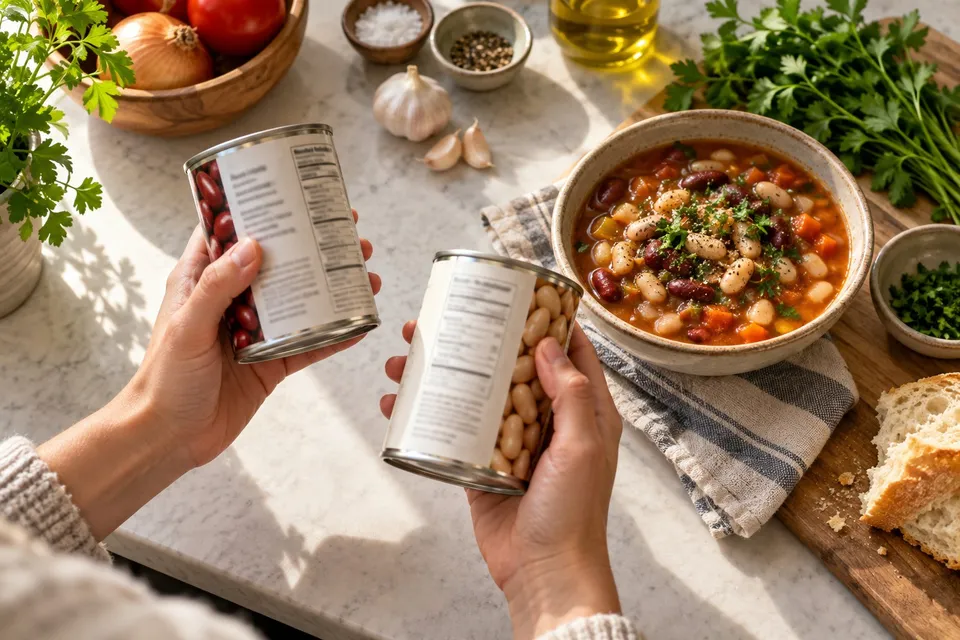
Read labels each time you buy, including familiar brands, because ingredients and manufacturing can change. A practical routine is to turn the package over before it enters the cart, locate the full ingredients, then look for the allergen summary and advisory wording. Give yourself enough light, a comfortable place to pause, and time to read rather than trying to decipher a photograph while rushing through checkout.
When shopping for another adult, agree on the exact product and acceptable substitutions beforehand. If an online order arrives with a replacement, set that item aside for review instead of assuming that similar packaging means similar ingredients. A shared shopping note can record questions still needing an answer, rather than treating yesterday’s selection as permanent approval for a whole brand.
Keep the original information available
Before transferring a snack into a container, consider how its label will remain available to the person who will eat it. Keeping the original package or a clear image of its current ingredient panel makes later checking easier. Include the product name and variety so the information does not become detached from the food it describes.
For a manufacturer inquiry, have the package beside you and record the product name, size, barcode and any lot information. Ask separately about ingredients and possible cross-contact. If the answer remains uncertain, choose another option rather than testing the food by tasting it. At a shared meal, bring the package along so the person managing the allergy can review it themselves. The useful habit is a complete, current check, with unresolved questions left unresolved until reliable information is available.
Explore the sources
Prepared with AI assistance for True Healthy Products LLC. Sources inform this educational guide; their inclusion does not imply endorsement of our company or products. See our editorial approach.