THE HEALTHY LIVING JOURNAL
Copper Supplements: Food Sources and Questions to Bring to a Review
Copper appears in foods, multivitamins and single-mineral products. Learn how to organize the information before deciding whether an additional supplement belongs in your routine.
General educational information · Sources listed below
Start with the reason copper caught your attention
Copper is an essential mineral that helps the body carry out functions including making energy and maintaining connective tissue. That basic role can make a supplement sound automatically useful. A better starting point is to ask why you are considering it. A recommendation from your clinician, a line on a multivitamin label and an online advertisement call for different follow-up questions.
The NIH Office of Dietary Supplements says most people get enough copper from food, and deficiency is rare in the United States. Before adding a bottle, write down what prompted your interest. Bring that reason to a discussion with a clinician or pharmacist. An organized review helps connect the product you are considering with your actual circumstances.
Look at familiar foods first
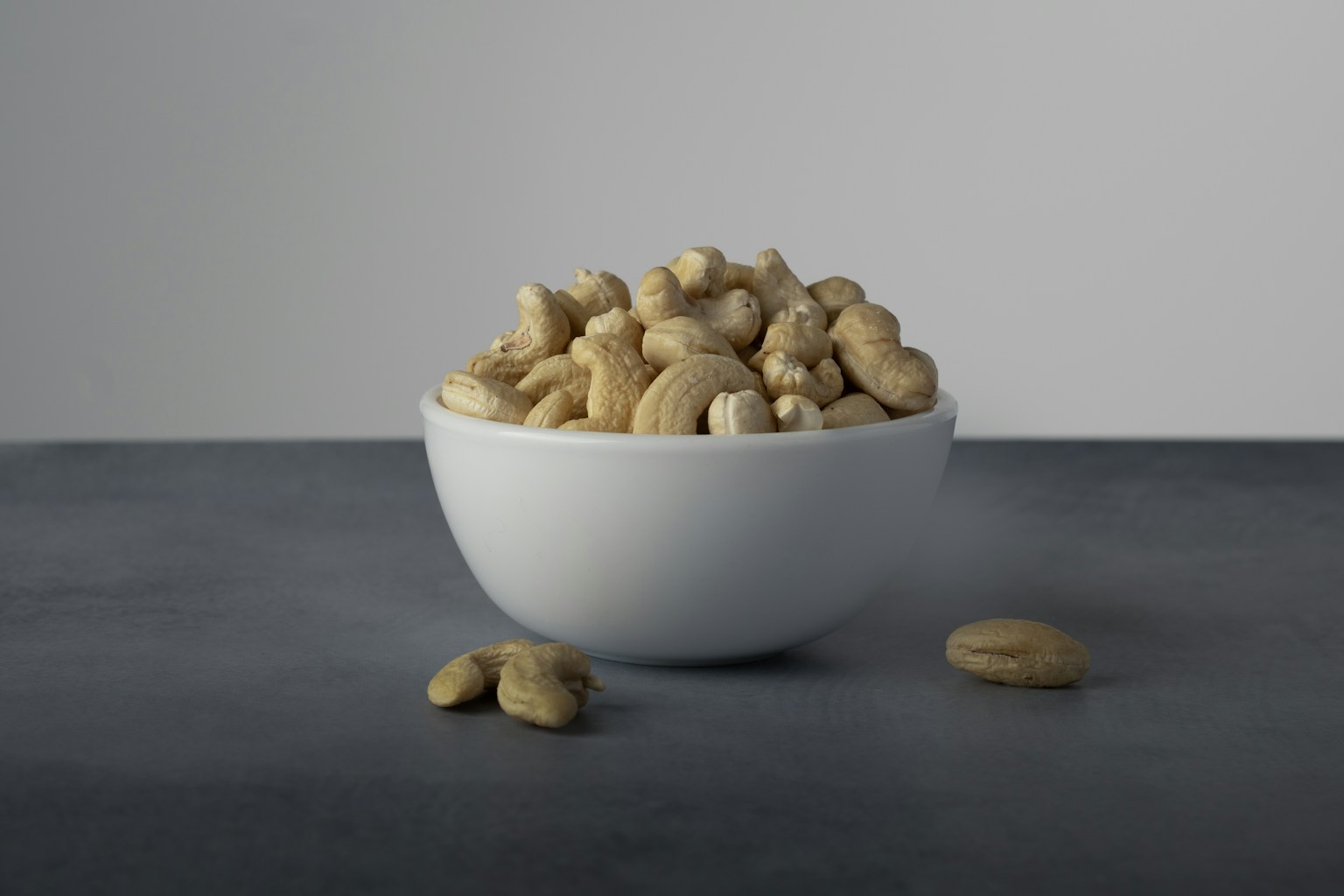
NIH lists copper in a range of foods, including cashews, sunflower and sesame seeds, whole-grain products, potatoes, mushrooms, chickpeas and tofu. Shellfish and beef liver are other sources. This range gives you several ways to review your usual eating pattern without building every meal around one ingredient.
Make a short list of foods you already eat and enjoy. For example, note whether chickpeas appear in lunches, tofu in dinners or nuts in snacks. This is a conversation starter rather than a test you must pass. If allergies, food restrictions or a limited appetite affect your choices, include those details. A dietitian can help put your eating pattern into context.
Check products already on your shelf
Copper may already be included in a multivitamin or another combination supplement. NIH also describes products containing copper alone. Gather the labels of the supplements you use before comparing a new one. Read the Supplement Facts panel, including serving size and the amount of copper per serving, and keep a record of the products together.
A photograph of each label can be convenient when the bottles are stored in different places. Capture the panel clearly enough that the serving size, ingredients and amounts remain readable. Record how you actually use the product alongside the label information. This makes it easier for a health professional to review the routine you follow, rather than the routine printed on the bottle.
Treat the form name as information to discuss
A copper label may name copper gluconate, cupric sulfate, cupric oxide or an amino acid chelate. NIH says it is not known whether one form is better than another. A longer ingredient name or a prominent statement on the front of the package therefore does not settle which product, if any, is appropriate for you.
When comparing labels, keep the form name beside the amount and serving size instead of ranking products by a marketing phrase. Write down claims you want explained and bring the packaging or a clear photograph. Ask what evidence supports the particular use being proposed. A product comparison is easier when you separate the facts on the label from the questions still needing an answer.
Include zinc and your full health history
NIH identifies high-dose zinc supplements as one factor that can interfere with copper absorption. That is a reason to include zinc-containing products in a professional review, rather than trying to balance two minerals yourself. Too much copper can also be harmful, and NIH notes particular concerns for people with Wilson's disease. Share relevant diagnoses and existing medical instructions.
FDA advises talking with a doctor, pharmacist or another health professional before purchasing or using a dietary supplement because products can interact with medicines or other supplements. Bring your full list, including occasional products. Mention any planned change before making it, especially when you are already following a clinician's instructions for a nutrient or a medical condition.
Leave the review with a clear next step
Useful questions are specific. Ask whether there is a reason to investigate your copper intake, what information would help answer that question, and whether a supplement is being recommended for a defined purpose. If a clinician recommends a product, ask how it fits with your existing routine and when that plan should be reviewed.
Keep the answer with your supplement list so you can refer to it later. Update the record when products change, and avoid carrying an old recommendation forward indefinitely without understanding its purpose. The aim is a routine you can explain clearly, supported by food information, readable labels and advice that reflects your own health needs.
Explore the sources
- NIH Office of Dietary Supplements: Copper Fact Sheet for Consumers ↗
- FDA: Questions and Answers on Dietary Supplements ↗
Prepared with AI assistance for True Healthy Products LLC. Sources inform this educational guide; their inclusion does not imply endorsement of our company or products. See our editorial approach.