THE HEALTHY LIVING JOURNAL
How to Set Up Home Blood Pressure Monitoring as You Age
Choose a cuff that fits, prepare a consistent seated setup and agree on a plan for sharing home readings.
General educational information · Sources listed below
Make home readings easier to discuss
A home blood pressure monitor can help you bring useful information to a medical visit, but the machine is only part of the process. A cuff that fits, a repeatable setup and a clear plan for sharing readings matter too. As you age, it is worth choosing a routine that you can comfortably manage rather than a device with the longest feature list.
Home readings do not replace appointments or establish a diagnosis by themselves. If your clinician recommends monitoring, ask what schedule to follow and what results require a call. Keep that plan beside the monitor so you are not left guessing when a number surprises you. Do not change prescribed medicines based on a reading alone.
Check the cuff before the extra features
The American Heart Association recommends an automatic upper-arm monitor with a validated design. Ask your clinician or pharmacist about a suitable model and cuff size. Measure around the upper arm and compare that measurement with the cuff’s stated range. A cuff that is too small or too large can produce inaccurate results.
Before buying, think about everyday use. Can you read the screen without straining, fasten the cuff comfortably and recognize the start button? If a family member will help, let them see the instructions too. A basic model that you can use reliably may be more practical than one that depends on an unfamiliar phone application.
Prepare a consistent place to sit
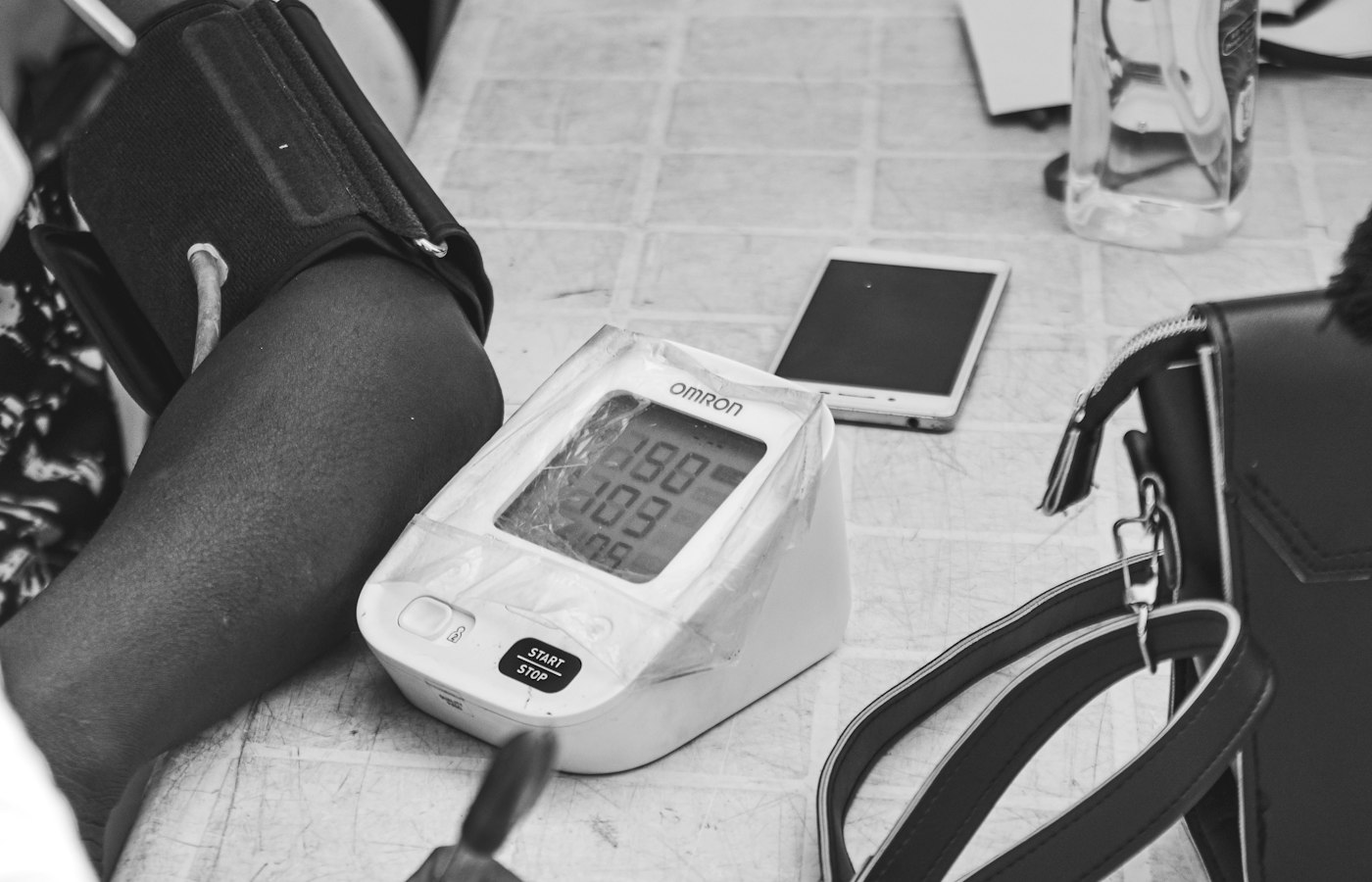
Choose a chair with back support and a table where your arm can rest comfortably at the appropriate height. Keep your feet flat and legs uncrossed. Place the cuff against bare upper-arm skin rather than over clothing. The CDC emphasizes that posture and the position of the arm can affect the result.
Set up the space before you begin the quiet rest period. Put the log, pen and instructions within reach so you will not need to stand up to fetch them midway through. If the usual table is cluttered or the chair is awkward, make a small practical adjustment first instead of accepting a different position each time.
Follow the preparation and recording plan
The AHA advises at least five quiet minutes before measurement and avoiding smoking, caffeine and exercise during the preceding 30 minutes. Empty your bladder and remain quiet during the reading. Follow your monitor’s instructions and your care team’s advice about timing. Ask how the routine should fit around your usual activities and medications.
Both the CDC and AHA recommend recording repeated readings rather than relying on one number. Ask your team to demonstrate the process and specify the interval and number of measurements for your plan. Keep all results, including ones you do not expect. Do not quietly delete a reading because it looks less reassuring than the others.
Make the record useful at appointments
A simple paper page can work well: date, time, readings and a brief note about anything unusual in the setup. For example, note if you had just rushed home or had difficulty placing the cuff. This is information for interpreting the record, not a reason to label a result as meaningless yourself.
Bring the monitor and cuff to a visit so someone can review your technique and compare equipment. If you use stored readings, learn how to display or export them before the appointment. Confirm who should receive the record and how often. A named contact and an agreed method prevent a growing notebook from becoming information nobody sees.
Agree on the response to unexpected numbers
Ask for written instructions covering high readings, low readings and symptoms. If you have chest pain, severe breathlessness or signs of stroke, call 911 rather than spending time repeatedly checking the monitor. For unexpected readings without an emergency, follow the response plan your clinician has provided and seek prompt advice when instructed.
The goal is dependable information and a clear route to help. Keep the equipment accessible, revisit cuff fit and bring questions when the routine becomes difficult. Consistency is more useful than trying to produce a perfect-looking record, and monitoring works best as a conversation with your health care team.
Explore the sources
Prepared with AI assistance for True Healthy Products LLC. Sources inform this educational guide; their inclusion does not imply endorsement of our company or products. See our editorial approach.