THE HEALTHY LIVING JOURNAL
Is Raw Cookie Dough Safe to Eat? What to Know About Flour
Learn why ordinary flour can make raw dough unsafe, how to identify ready-to-eat cookie dough, and how to keep your baking area clean.
General educational information · Sources listed below
Why raw flour matters
A spoonful of cookie dough can look harmless, especially if the recipe contains no eggs. Ordinary flour is usually raw, though, and milling grain into flour does not reliably kill bacteria such as Salmonella or harmful E. coli. The Centers for Disease Control and Prevention and the Food and Drug Administration advise waiting until the dough has been baked before tasting it.
Eggs add another potential source of bacteria, but removing them leaves the risk from ordinary flour. The same reasoning applies to brownie batter, cake mix, pancake batter and other foods that contain flour and are meant to be cooked. A fresh bag of flour or a clean-looking spoon gives you no way to tell whether the ingredients carry bacteria.
When you want a treat that can be eaten straight from the container, choose a product labeled safe to eat raw or ready to eat without baking. Some products use flour that has been treated to kill bacteria and use pasteurized eggs or leave eggs out. Check the actual package because ordinary refrigerated cookie dough can sit beside products meant for eating without baking.
Keep baking dough separate from snacks
Before opening a bag of flour, clear the area around your mixing bowl. Move fruit, sandwiches and other ready-to-eat foods to a different counter. Flour is a fine powder that can spread when you scoop it or shake it off a utensil. Keeping foods apart is easier than trying to see where the flour landed afterward.
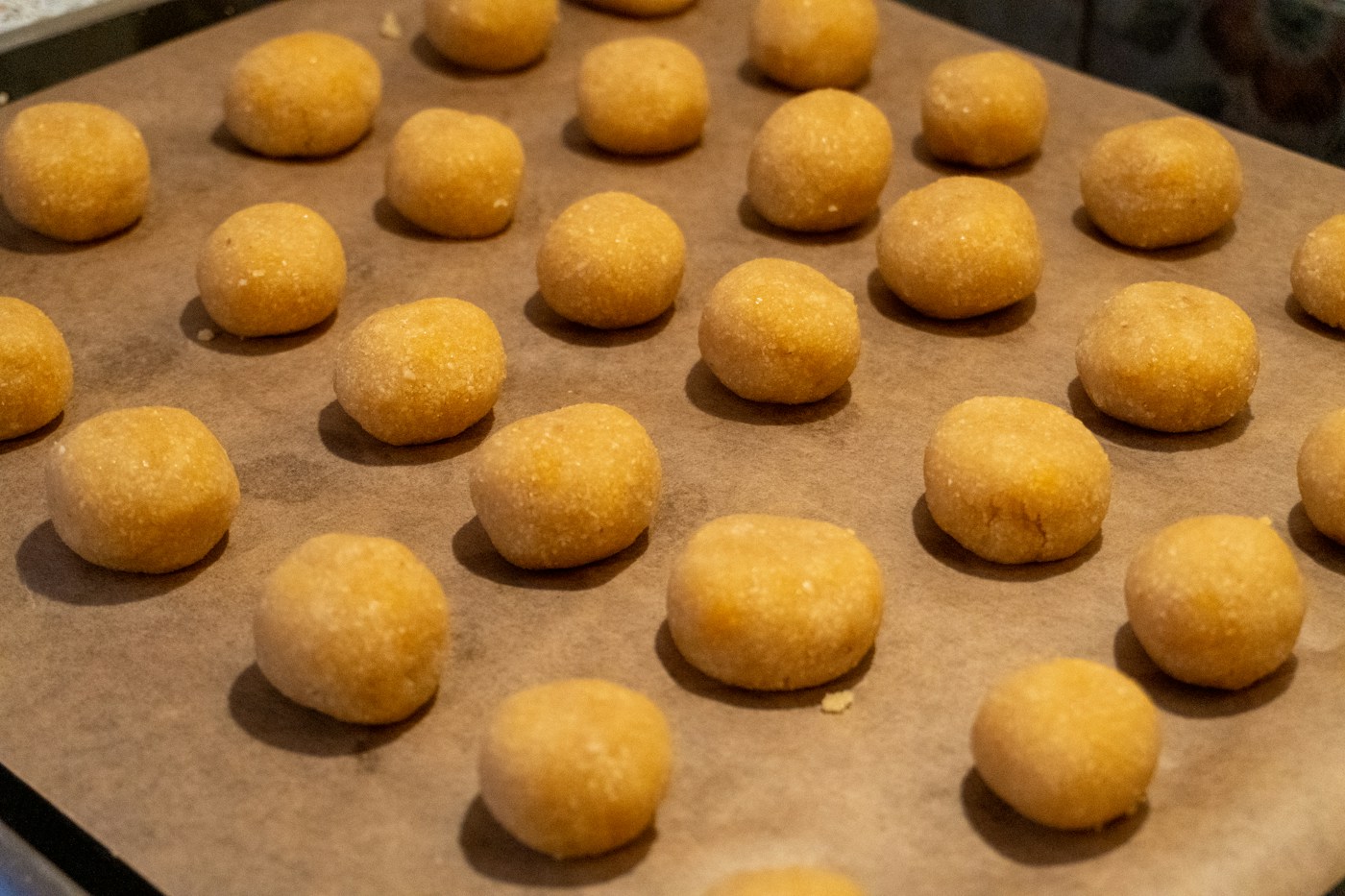
Use a spoon or scoop to portion the dough onto a baking sheet, then put the utensil in the sink or dishwasher. Set out a clean spatula and cooling rack for the baked cookies. If you are making several batches, keep the tools that touch raw dough on one side of the work area and the tools for serving on the other.
Follow the baking and storage directions
Use the recipe or package directions for oven temperature and baking time. If a package says the dough should stay refrigerated until baking, return any unused portions to the refrigerator while the first batch cooks. Keep the packaging or write down the directions if you move the dough to another container.
The CDC advises against trying to heat-treat flour at home for recipes that will be eaten raw because the process may leave bacteria alive. For a no-bake dessert, use ingredients intended to be eaten as sold. For example, stir small pieces of a commercially prepared edible cookie dough into ice cream if the dough’s label says it is safe without baking.
Clean up before serving
Wash your hands with soap and water after handling flour, raw eggs or dough. Wash the bowls, utensils, baking sheets and counters that touched the raw ingredients with warm, soapy water. If flour spilled on the counter, clean that area before setting down a plate of baked cookies or preparing the next snack.
If children help with baking, give them a clear job such as setting out the parchment or helping arrange the baked cookies once they have cooled. Keep raw dough and homemade play dough made with ordinary flour away from children’s mouths. Saving a finished cookie for the taste test gives everyone a way to participate without sampling from the bowl.
Check the package if a recall is announced
Keep the original flour or baking mix packaging until you use the product. The brand, package size and lot code can help you check whether a recall applies to what you have. If it does, follow the recall instructions and keep the product out of your baking plans. If you store flour in a reusable container, save a photo of the package details so you can still identify it later. If you share flour with someone else, pass along the recall notice.
Explore the sources
Prepared with AI assistance for True Healthy Products LLC. Sources inform this educational guide; their inclusion does not imply endorsement of our company or products. See our editorial approach.