THE HEALTHY LIVING JOURNAL
Removing Gel Nail Polish: How to Prepare and Protect Your Skin
Plan gel-polish removal with clear product instructions, gentle handling and a safe place to use and store remover.
General educational information · Sources listed below
Plan removal before the manicure grows out
Gel polish can be tempting to peel when an edge lifts or a manicure starts to look uneven. A better time to decide how you will remove it is before you start pulling at that edge. Having the product instructions, supplies and enough uninterrupted time makes it easier to avoid turning removal into a hurried task.
For adults who use gel polish, this guide focuses on preparation and everyday handling. Start by identifying what is on your nails. A salon can tell you whether it is gel polish, an artificial enhancement or another system and explain the appropriate removal process. Do not assume that every long-lasting manicure comes off the same way.
Read the label and choose a workable space
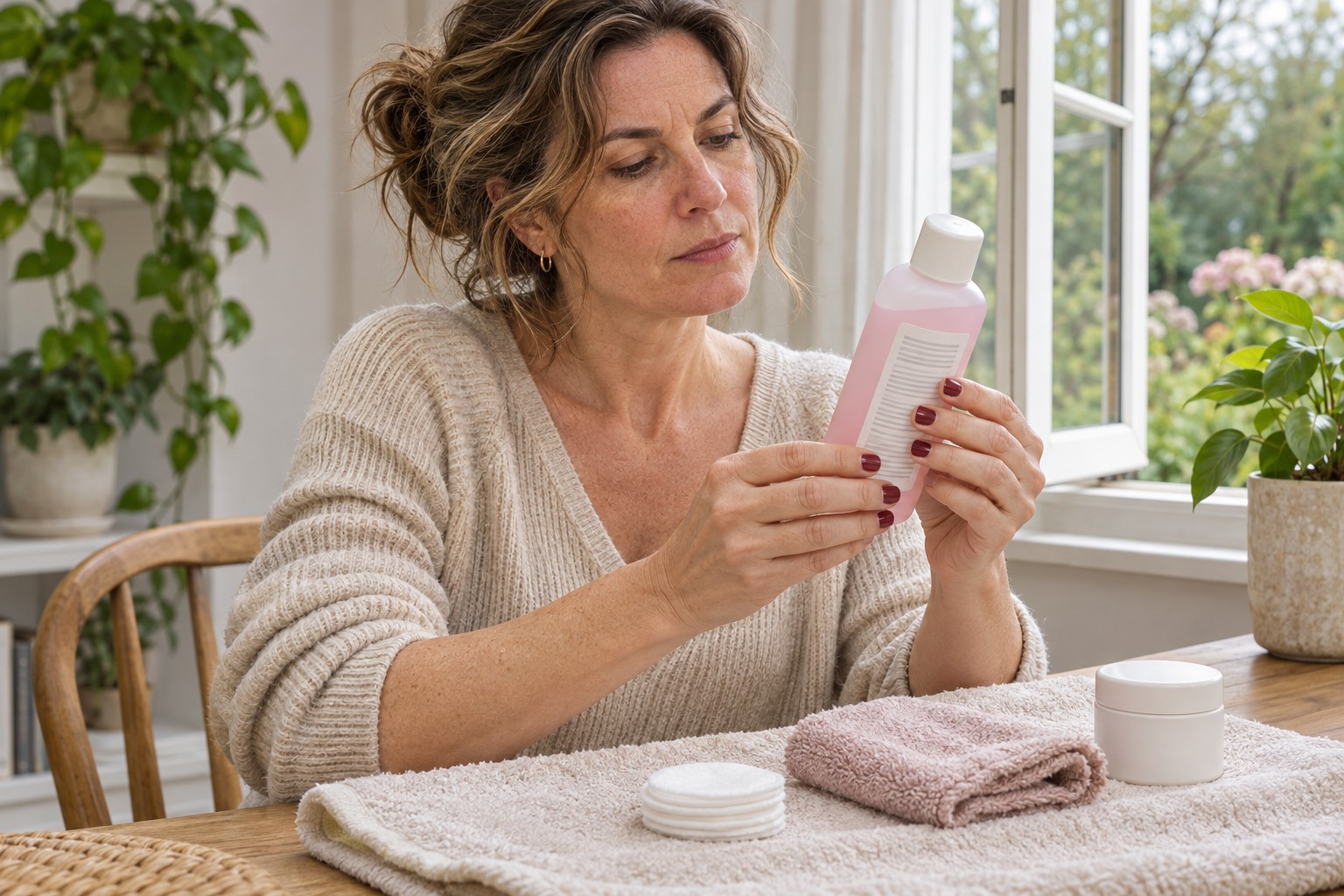
Keep the remover in its original labeled container so its directions and warnings remain available. Check those directions before opening it, including any restrictions on use. If you cannot identify the product or the coating on your nails, ask the salon or manufacturer rather than borrowing instructions for something similar.
Poison Control recommends good ventilation and keeping remover away from flames, cigarettes and heat. Choose a stable surface where you can work without balancing an open bottle. Move drinks, snacks and unrelated items elsewhere. Put the cap within reach and arrange supplies before beginning so you do not need to search through cupboards with remover on your hands.
Protect skin and avoid force
The American Academy of Dermatology identifies acetone as an effective option for removing gel polish and warns that picking or filing it off can damage nails. Its home-removal guidance uses nail-sized cotton pieces and petroleum jelly on cuticles and nearby skin to reduce unwanted skin exposure. Follow the full guidance and the directions for your particular nail system.
If you choose the AAD method, its guidance recommends leaving the wrapped cotton in place for 10 minutes, then gently removing remaining polish with a warm, damp washcloth. Avoid scraping with a stick or forcing off material that resists. Ask a nail professional for help when the coating or removal method is uncertain.
Give the task enough time
Try working on one hand at a time, as the AAD suggests. This leaves the other hand available for handling supplies and makes the process easier to organize. Plan around a period when you will not need to cook, answer the door or help someone with another task midway through.
After removal, the AAD advises washing with gentle soap and water. Make a moment to look at the nails and surrounding skin before deciding on another manicure. Record any unusual change while it is visible, including when it began and which products were used. A photograph and the product name can make a later conversation with a healthcare professional more specific.
Keep remover secure between uses
Put the cap back on promptly and return the bottle to a secure place after use. Poison Control recommends storing nail remover up, away and out of children’s sight. A bathroom counter or an open bag can become an accessible storage spot even when you intend to put the product away later.
Use the label’s instructions for cleanup and disposal. Keep the packaging available while you do this. If someone swallows remover or it gets into the eyes, seek prompt advice from Poison Control at 1-800-222-1222. Have the container nearby so you can identify the ingredients and describe the exposure accurately.
Know when to ask about a reaction
The FDA notes that some nail-product ingredients can cause allergic reactions and advises avoiding skin contact. If a nail product causes a reaction, tell your healthcare provider and consider reporting the problem to the FDA. Persistent discomfort, swelling or unusual nail changes deserve professional assessment before another cosmetic application.
A simple written note can include the salon visit date, product names, removal method and symptoms. Keep it with a photograph of the label rather than relying on memory. For your next manicure, ask about removal when booking the appointment so the plan is clear from the beginning.
Explore the sources
- American Academy of Dermatology: Removing gel polish ↗
- FDA: Nail care products ↗
- Poison Control: Nail polish and glue removers ↗
Prepared with AI assistance for True Healthy Products LLC. Sources inform this educational guide; their inclusion does not imply endorsement of our company or products. See our editorial approach.