THE HEALTHY LIVING JOURNAL
Is Food From a Dented Can Safe to Eat?
Check where the dent landed, how deep it is, and whether the can shows other signs that it should be discarded.
General educational information · Sources listed below
Check the can before opening it
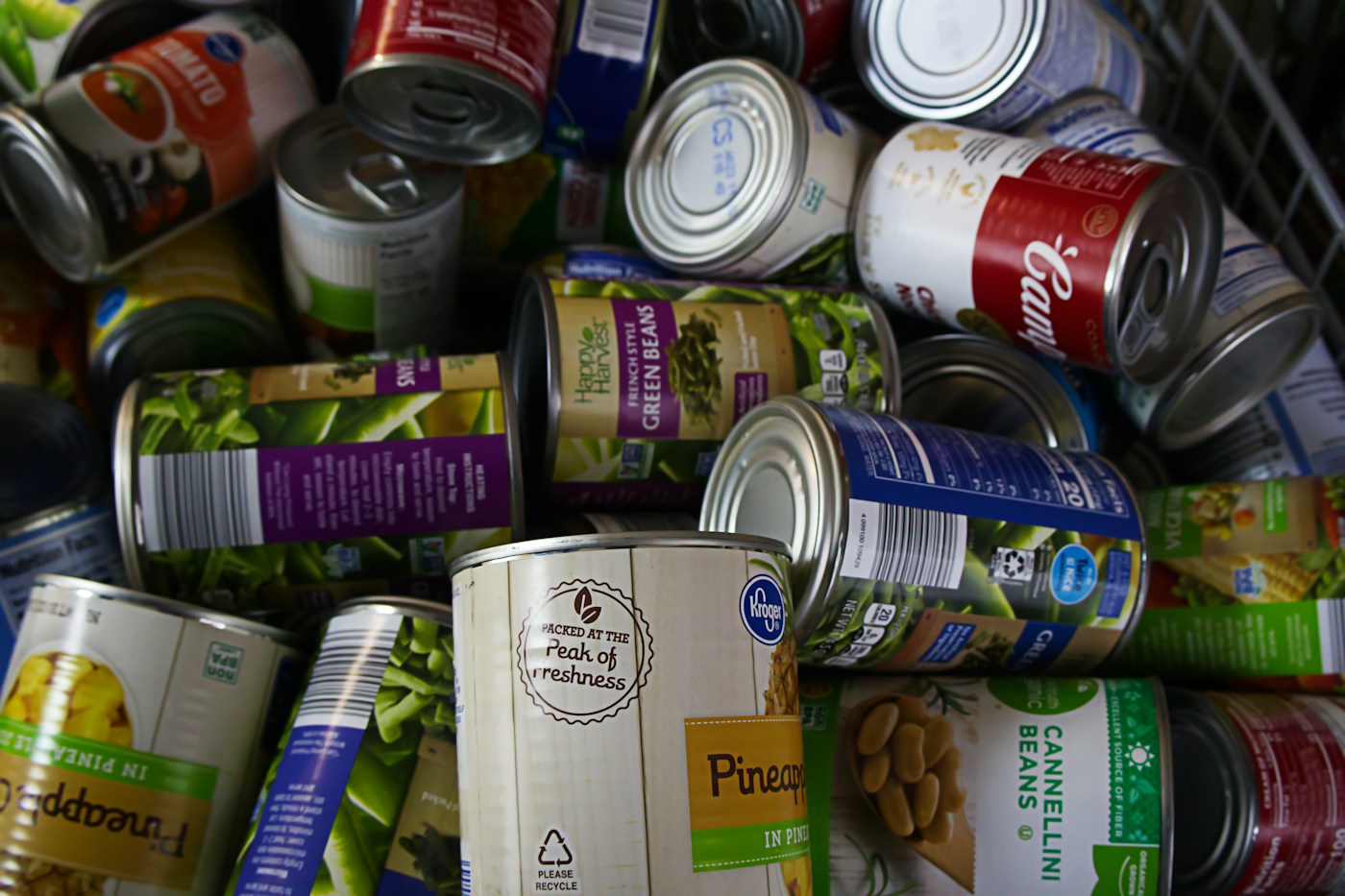
A can rolls out of the grocery bag and hits the floor. A week later, you find another one with a crease along the rim. Before either goes into dinner, take a moment to look at the can itself. The location and shape of the damage can help you decide whether to use the food or replace it.
Start with the lid, the bottom and the side wall. Turn the can under a good light and look where the metal joins. Pay particular attention to the rim at either end. Check for a sharp crease, a pinhole, a wet patch or a lid that bows outward.
The U.S. Department of Agriculture advises against using food from a can that is badly dented, leaking or bulging. A shallow ding in the middle of an otherwise intact side wall is less concerning, but a crease where the metal joins deserves more caution. If you cannot tell how deep the damage goes, use another can.
Check where the dent landed
A rim dent can be easy to miss when you look only at the label. Light reflected along the edge can make a bend easier to see. On cans with a visible side seam, check whether the dent runs into that seam. Check the bottom even if the can still stands upright on the counter.
Picture a can of tomatoes with a deep crease running up into the lid rim. Set that can aside. A deep dent can compromise the seal, and there is no practical way to verify the seal in your kitchen. If you notice this before buying, pick a different can. If you discover it while unpacking groceries, keep it out of the pantry so someone else does not use it.
Look for other signs of damage
Bulging and leaks are reasons to discard a can even if you cannot see a dent. Look for food residue around the lid and for liquid that appears to come from the can itself. A can can also look normal on one end and be swollen on the other, which is another reason to inspect both ends before using it.
Sometimes damage becomes obvious only when you start opening the can. USDA flags liquid that spurts out and food with a foul odor. Stop preparing the meal if you see or smell a warning sign, and discard the food. Avoid opening a can just to see what is inside if the outside already gives you a reason to reject it.
Skip the taste test
Botulism from commercially canned food is uncommon, but the toxin that causes it can make people seriously ill. CDC explains that you cannot reliably detect the toxin by looking at, smelling or tasting food. A familiar smell or normal appearance after opening cannot establish that food from a damaged can is safe.
Keep food from a suspect can out of the pot and off utensils you are using for other ingredients. If you notice the problem after mixing the contents into a dish, discard the dish. An unopened replacement can or an ingredient you already know is safe lets you finish the meal without trying to salvage the suspect food.
Make the check part of putting groceries away
Inspect cans while you unpack, especially if a bag fell, a delivery box arrived crushed or a can was wedged beneath something heavy. Put sound cans on a dry shelf where you can see them. If you set a damaged can aside for a return, keep it out of reach of children and separate from groceries someone might use.
Consider the package condition separately from the printed date. A date in the future tells you nothing about whether the rim was damaged on the way home. Start with the can’s condition, and use a replacement whenever you are unsure about the seal. The same habit works whether you are checking one can for tonight’s dinner or sorting several from the back of the pantry.
Explore the sources
- USDA Food Safety and Inspection Service — Is food in damaged cans dangerous? ↗
- CDC — Home-Canned Foods ↗
- CDC — Botulism Prevention ↗
Prepared with AI assistance for True Healthy Products LLC. Sources inform this educational guide; their inclusion does not imply endorsement of our company or products. See our editorial approach.