THE HEALTHY LIVING JOURNAL
What to Wash After Touching Poison Ivy
Start with exposed skin, then clean clothing, tools and other items that may carry the plant oil indoors.
General educational information · Sources listed below
Wash exposed skin as soon as you can
You finish clearing a fence line and realize the vine you grabbed might have been poison ivy. The first thing to do is wash the skin it may have touched. The American Academy of Dermatology recommends gently washing with soap and water and rinsing thoroughly. Even if you feel fine, deal with the possible exposure while you can still remember what you touched.
Pay attention to your fingers, wrists and any other skin that may have brushed the plant. Wash under your fingernails, too. Rinse with plenty of cool water. A gentle wash is enough for this step. Scrubbing hard can irritate the skin, and dermatologists caution that it may rub the oil into the skin.
Poison ivy, poison oak and poison sumac can leave an oil called urushiol on skin and objects. Think through the order in which you handled things. For instance, you may have picked up your phone or turned a doorknob with your gardening gloves before taking them off. Those surfaces may need attention along with the clothes you were wearing.
Set aside clothing and gloves
Use disposable gloves when handling clothes that may have touched the plant or its oil. Take off exposed clothing and put it straight into the washing machine or set it aside until you can wash it. Keeping it away from the rest of the laundry reduces the chance that someone else picks it up or that it brushes against clean clothes.
CDC’s National Institute for Occupational Safety and Health advises washing exposed clothing separately in hot water with detergent. Include items that are easy to forget, such as the jacket tied around your waist or the socks that brushed low plants. Set aside your work gloves and boots for cleaning before you wear them again.
Clean the things you handled outdoors
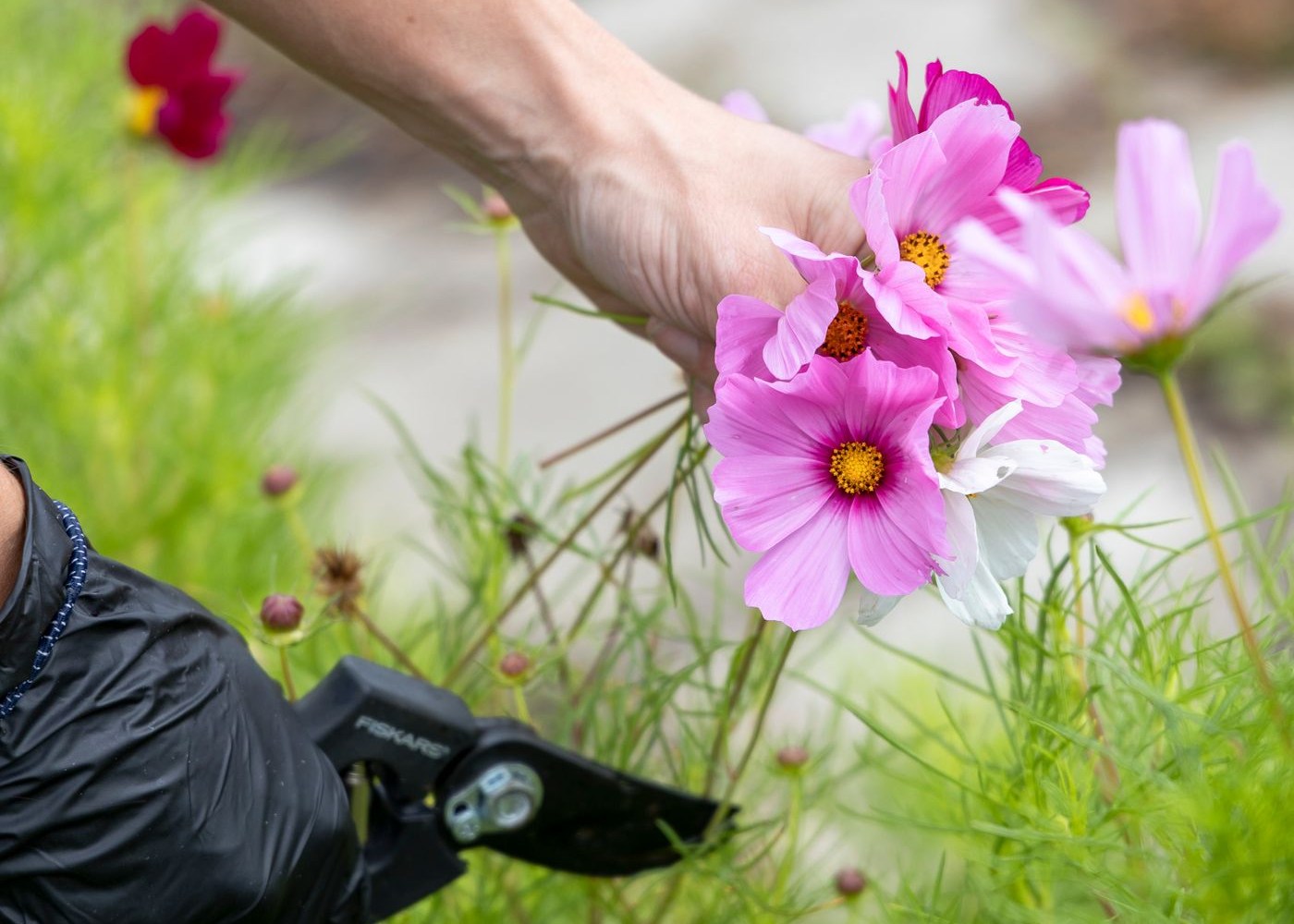
While wearing disposable gloves, clean tools that may have touched the plant with soap and plenty of water, following the tool maker’s care instructions. Check the parts you actually grip, including the handles of pruners and the latch on a yard cart. Think about items that traveled from outdoors to indoors, such as a dog leash, a backpack or a reusable water bottle.
Pets can also carry oil on their fur after moving through plants. The American Academy of Dermatology advises rinsing exposed fur while wearing gloves. Consider where the animal went afterward, especially if it brushed against your legs or jumped onto your lap. If you think the oil got back on your skin during cleanup, wash the area again.
Know when to get help
A rash can develop after the initial exposure, even if your skin looked normal when you came inside. Oil left on clothing and equipment can cause another exposure later. Fluid from the blisters does not spread poison ivy, according to CDC. If several spots appear at different times, that alone does not show that the rash spread from one blister to another.
Get medical help promptly for a widespread rash, a rash around the eyes or mouth, or a reaction that keeps you from sleeping. Trouble breathing or swallowing calls for emergency care. Never burn suspected poison ivy, oak or sumac. CDC warns that smoke from these plants can irritate the lungs and cause serious breathing problems.
Make cleanup easier before the next yard job
When working near brush, wear long sleeves, long pants, boots and gloves. Put a pair of disposable gloves near the laundry area and keep soap by the sink you’ll use after yardwork. If you’re away from home, know where you can get to running water. After a possible exposure, start with skin, then deal with clothing, tools and anything else that may have picked up oil. That sequence gives you a practical way to work through the cleanup even when you’re unsure how much you touched.
Explore the sources
- American Academy of Dermatology — What to do after touching poison ivy, oak or sumac ↗
- American Academy of Dermatology — Poison ivy, oak and sumac rash guidance ↗
- CDC/NIOSH — Poisonous Plants and Work ↗
Prepared with AI assistance for True Healthy Products LLC. Sources inform this educational guide; their inclusion does not imply endorsement of our company or products. See our editorial approach.